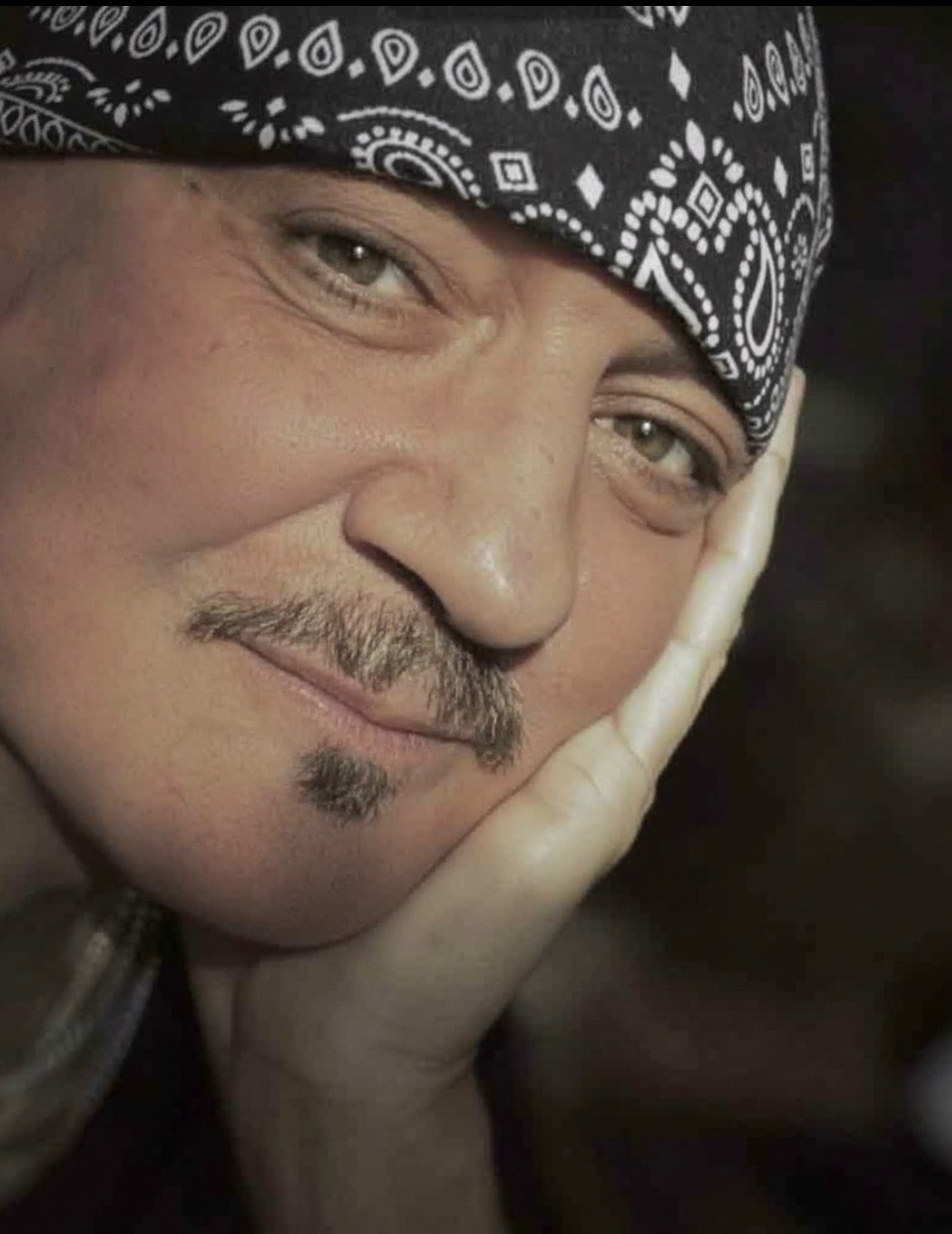
Fifty-plus years of not understanding why my brain worked the way it did. Fifty-plus years of pushing harder than everyone around me just to keep up, of feeling like I was always one step behind, of wondering why things that seemed easy for other people felt like climbing a wall for me. And in that moment, it all made sense.
The diagnosis didn't change who I was. But it changed how I understood who I was. Every job I'd struggled with. Every relationship that had been harder than it should have been. Every time I'd lost my keys, forgotten an appointment, started something I couldn't finish. It wasn't weakness. It wasn't laziness. It was neurology.
A lot of people my age — especially men, especially men from tough backgrounds — resist this kind of diagnosis. There's a voice in your head that says: this is an excuse. Real men don't have disorders. You just need to try harder. I know that voice. I listened to it for decades. And I'm here to tell you it's wrong.
Getting diagnosed changed my life in practical ways too. I started medication. I started therapy specifically for ADHD. I learned strategies — actual tools — for managing the parts of my brain that had always worked against me. For the first time in my life, I felt like I was working with myself instead of against myself.
If you're reading this and you're middle-aged and you've always felt like something was off — like you were wired differently, like you had to work twice as hard for half the results — please talk to a doctor. It is never too late to understand yourself. It is never too late to get help. My diagnosis came late. But it still changed everything.