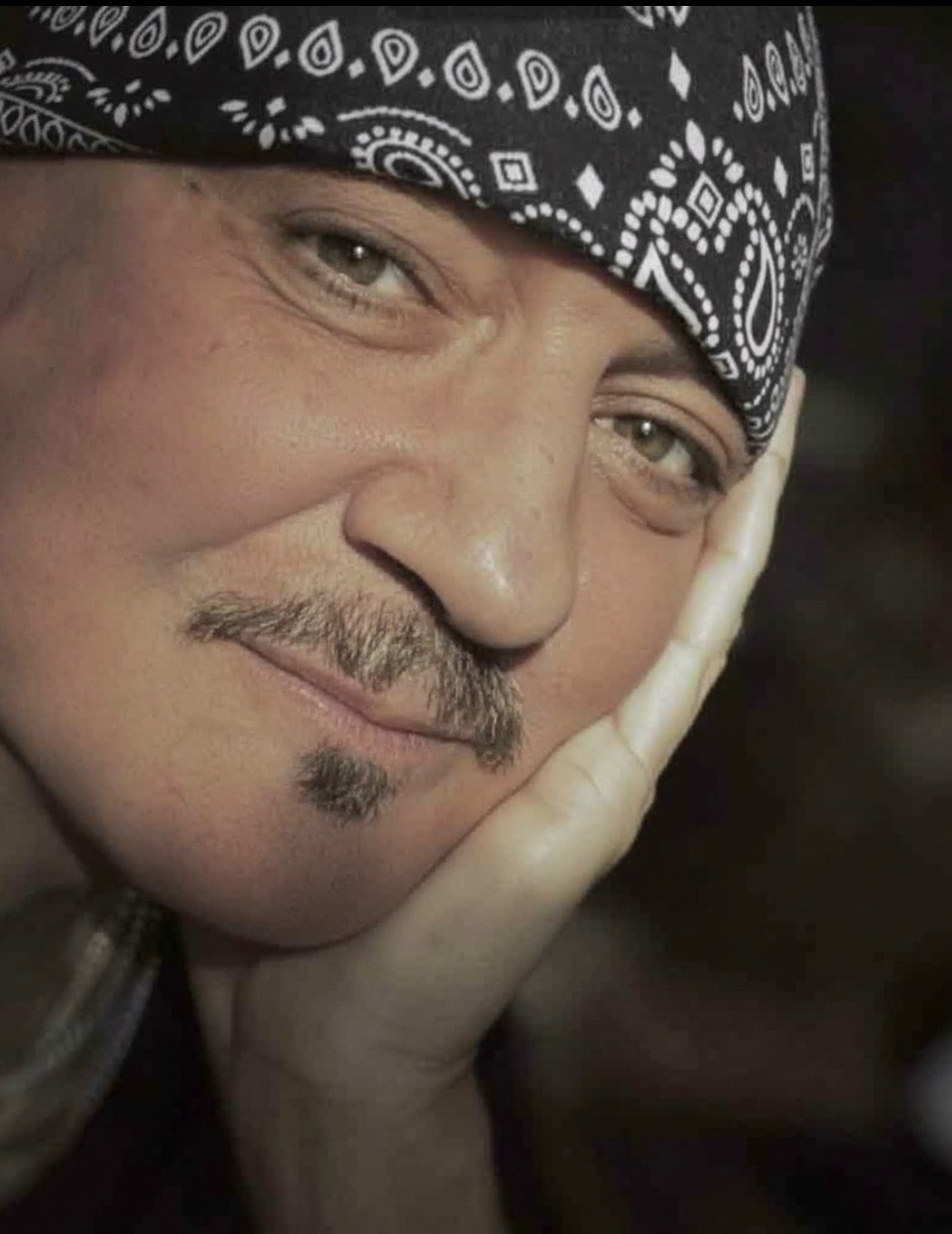
I was the kid who couldn't sit still. The one who stared out the window when the teacher was talking. The one who started ten projects and finished none of them. The one who got in trouble not because he was bad, but because his brain simply would not cooperate with the world's expectations.
Nobody called it ADHD back then — not in my neighborhood, not in my school, not in the foster care system. They called it other things. Difficult. Unfocused. A problem. I internalized all of it. I believed I was broken in some fundamental way that other kids weren't. That belief followed me for decades.
Looking back now, with the knowledge I have, I can see it everywhere in my childhood. The impulsivity that got me into fights I didn't need to be in. The hyperfocus that would lock me onto something for hours and then vanish completely. The emotional dysregulation — the way small frustrations could feel catastrophic, the way I'd go from zero to a hundred with no warning.
I grew up in poverty, in foster care, in environments where stability was a luxury. And ADHD in that context is brutal, because the coping mechanisms that help — routine, structure, support — were exactly what I didn't have. I was trying to manage a neurological condition with no tools and no diagnosis, in circumstances that would have been hard for any kid.
What I want people to understand — especially parents, especially teachers, especially anyone working with kids from hard backgrounds — is that behavior is communication. When a child can't sit still, can't focus, can't regulate their emotions, they're not being defiant. They're struggling. And they need help, not punishment.
My childhood went unnoticed in a lot of ways. But the ADHD was the thing that shaped everything else, and nobody saw it. I'm writing about it now because I don't want another kid to spend fifty years wondering what was wrong with them. Nothing was wrong with them. Their brain just works differently. And that's something worth knowing.