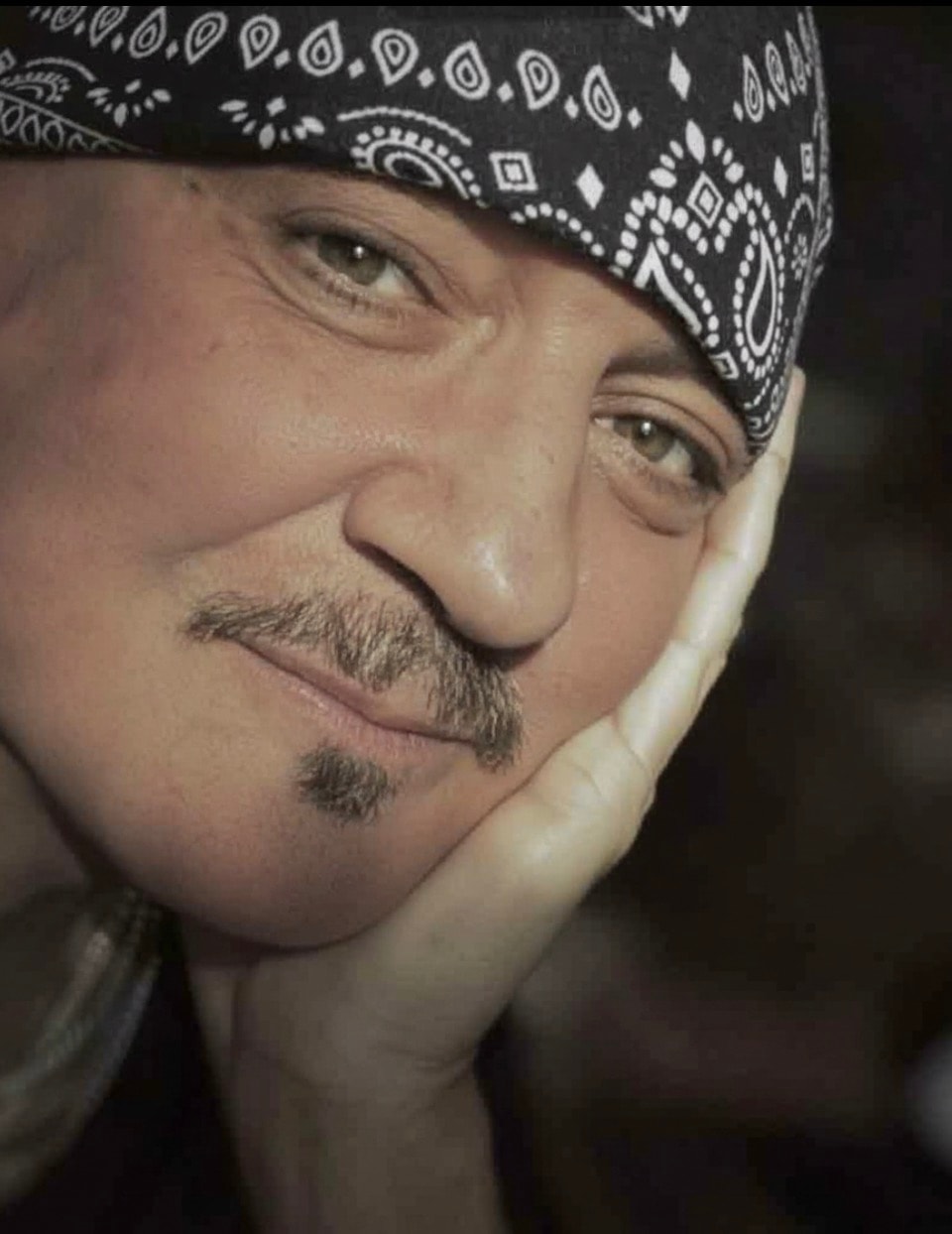
When I turned in my shield, I thought I'd feel relief. Twenty-plus years of early mornings, late nights, missed holidays, and close calls — I figured retirement would feel like putting down a heavy bag. And in some ways it did. But in other ways, it felt like losing a part of myself I didn't know how to replace.
The job becomes your identity in a way that's hard to explain to someone who hasn't lived it. You're not just a person who happens to be a cop. You're a cop. It shapes how you see the world, how you read a room, how you respond to stress, how you relate to people. And when it's gone, you have to figure out who you are without it.
I've been doing that figuring for a few years now. And what I've come to is this: I'm proud of my service. I'm proud of the calls I handled well, the people I helped, the times I showed up and made a difference. There were moments in that career that I would not trade for anything — moments of genuine human connection in the middle of chaos that reminded me why I signed up.
But I also carry things I wish I could put down. Calls that didn't go the way they should have. Situations where I could have done better. The weight of a system that sometimes failed the very people it was supposed to protect — and my own complicity in that, by staying quiet when I should have spoken up.
I think about the young officers coming up now, and I want to tell them: document your mental health from day one. Talk to someone. Don't wait until you're drowning. The job will take everything you give it and ask for more. You have to protect yourself too.
Reflecting on twenty years of police work is not a simple exercise. It's not all good and it's not all bad. It's human. And maybe that's the most honest thing I can say about it: it was the most human thing I've ever done. Full of courage and failure and love and loss, just like everything else worth doing.